Learn and read all About Digital and technology from tech-trusted guides

Children and young people face many emotional and social challenges as they grow. School pressure, friendships, family changes, and personal development can sometimes feel overwhelming. Therapy provides a safe and supportive space where children and young people can express their feelings and learn healthy ways to cope with challenges. Why children may need therapy Children may experience emotional difficulties for many different reasons. Changes at home, academic pressure, social difficulties, or stressful experiences can affect how they feel and behave. Sometimes children may struggle to express their emotions or explain what they are experiencing. Therapy helps them explore their feelings in a safe and understanding environment. Signs a child may need support Some signs that a child might benefit from emotional support include changes in behaviour, increased anxiety, difficulty concentrating, or withdrawing from activities they once enjoyed. Parents and caregivers may also notice mood changes, sleep difficulties, or increased frustration. Recognising these signs early can help children receive the support they need. How therapy helps children and young people Therapy helps children understand their emotions and develop skills to manage stress, anxiety, and everyday challenges. Through supportive conversations and age-appropriate approaches, therapists help young people build confidence, improve communication, and develop healthy coping strategies. Supporting emotional wellbeing early Providing emotional support early in life can help children build resilience and develop positive emotional habits. When children feel supported and understood, they are better able to navigate challenges and grow into confident and emotionally healthy adults. If you would like to learn more about therapy services and support for young people, you can visit: https://gotalktherapy.com

Mental health is an important part of overall wellbeing, especially in the workplace. Many people spend a large part of their day at work, and the pressures of deadlines, responsibilities, and expectations can sometimes create stress. Supporting mental health at work helps individuals feel more balanced, productive, and supported in their roles. Why mental health in the workplace matters When employees feel overwhelmed or stressed for long periods of time, it can affect both their wellbeing and their ability to perform their work effectively. A supportive workplace environment can help people manage stress, improve communication, and build stronger professional relationships. Organisations that support mental health often see improvements in employee engagement, productivity, and overall workplace culture. Common causes of workplace stress Many factors can contribute to stress in the workplace. Some of the most common include heavy workloads, unclear expectations, lack of work-life balance, and ongoing pressure to perform. In some cases, people may also experience stress due to workplace conflict, changes in job roles, or uncertainty about the future. Recognising these challenges is an important step in creating a healthier work environment. How therapy can support employees Therapy provides a space where employees can talk openly about their experiences and learn strategies to manage stress and emotional pressure. Through counselling, individuals can develop tools to cope with challenges, set healthy boundaries, and improve their emotional resilience. This support can make it easier for people to manage work demands while maintaining their wellbeing. Building a healthier workplace Creating a mentally healthy workplace involves open communication, supportive leadership, and access to wellbeing resources. When organisations prioritise employee wellbeing, they help create a work environment where people feel valued, supported, and able to perform at their best. For more information about mental health support and therapy services, you can visit: https://gotalktherapy.com
Read Article
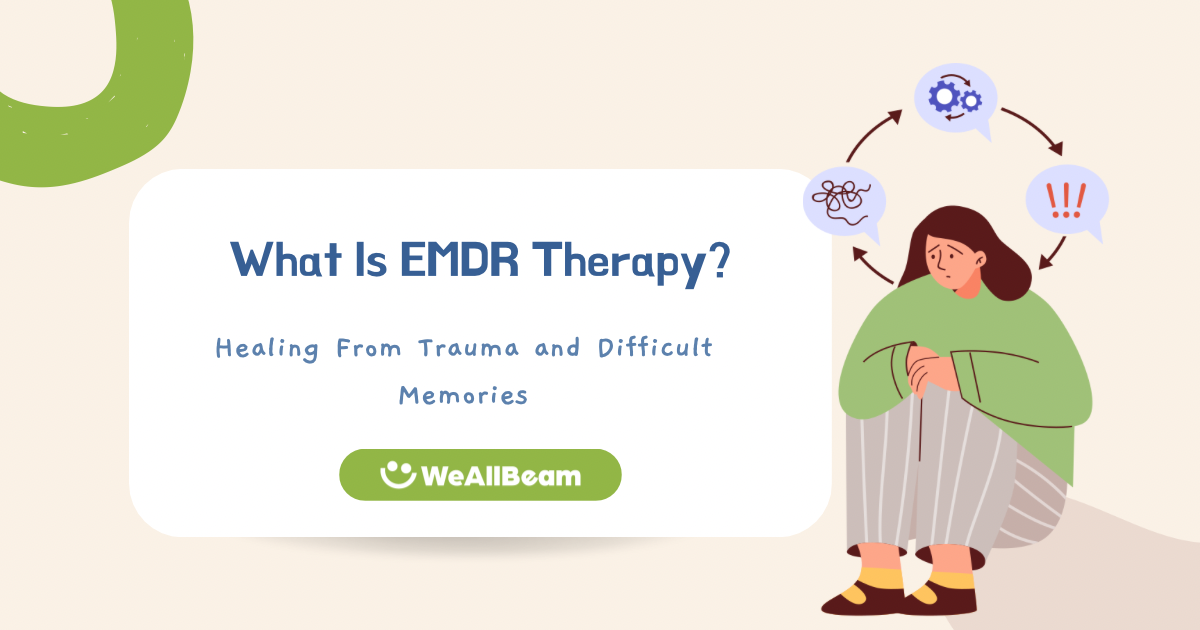
EMDR therapy, which stands for Eye Movement Desensitisation and Reprocessing, is a type of psychotherapy designed to help people recover from traumatic or distressing experiences. Many individuals carry difficult memories that continue to affect their emotions, thoughts, and daily lives. EMDR therapy helps the brain process these memories in a healthier way so they become less overwhelming over time. What is EMDR therapy? EMDR therapy is an approach used by trained therapists to help people process traumatic memories. Sometimes when a person experiences a stressful or traumatic event, the brain does not fully process the memory. As a result, the memory can remain emotionally intense and may continue to cause anxiety, fear, or distress long after the event has passed. EMDR therapy helps the brain reprocess these memories so they no longer trigger the same emotional reactions. How does EMDR therapy work? During EMDR therapy, the therapist guides the individual to briefly focus on a difficult memory while also engaging in bilateral stimulation. This usually involves guided eye movements, tapping, or sounds that move from one side to the other. This process helps the brain reprocess the memory in a way that reduces its emotional intensity. Over time, the memory becomes less distressing and easier to manage. Who can benefit from EMDR therapy? EMDR therapy is often used to support people who have experienced trauma or highly stressful events. It can be helpful for individuals dealing with: Post-traumatic stress Distressing memories Anxiety related to past experiences Emotional distress connected to difficult life events Many people find that EMDR helps them move forward by reducing the emotional weight of past experiences. A path toward emotional healing Healing from difficult experiences takes time, and therapy can provide the support needed during that journey. EMDR is one of several therapeutic approaches that can help individuals process their experiences and regain a sense of emotional balance. If you would like to learn more about therapy services and support options, you can visit: https://gotalktherapy.com
Read Article
Cognitive Behavioural Therapy, often called CBT, is one of the most widely used types of therapy. It focuses on understanding the connection between thoughts, emotions, and behaviours. Many emotional difficulties are influenced by patterns of thinking that people develop over time. CBT helps individuals identify these patterns and learn healthier ways of thinking and responding to challenges. What is CBT? CBT is a structured form of therapy that focuses on how thoughts influence feelings and actions. Sometimes people develop negative thinking patterns that can lead to stress, anxiety, or low mood. Through CBT, individuals learn how to recognise these patterns and replace them with more balanced and helpful thoughts. How does CBT work? CBT sessions focus on practical strategies that help individuals understand their thoughts and behaviours. Therapists work with clients to identify unhelpful thinking patterns and develop healthier ways to respond to situations. The therapy often includes exercises and techniques that people can use in their daily lives. Who can benefit from CBT? CBT can help people who experience anxiety, stress, depression, low confidence, or difficulty managing emotions. It is also used to support people facing work pressure, relationship difficulties, or major life changes. Because CBT focuses on practical tools and strategies, many people find it helpful for building long-term emotional resilience.
Read Article
Counselling is a space where you can talk, be heard, and feel supported. It is not about being “broken.” It is about having a safe place to make sense of what you are carrying. Many people think they need a big reason to start counselling. That is not true. Some people come because they feel anxious. Some feel low. Some feel stuck. Others want support through a life change, grief, stress, relationship pressure, or burnout. Counselling can help with all of this. What is counselling? Counselling is a type of talking therapy. You meet with a trained professional and you talk about what is going on in your life. The counsellor helps you explore your thoughts, emotions, and patterns in a calm and supportive way. It is not about judgement. It is not about being told what to do. It is a conversation that helps you understand yourself better and find steps forward. What happens in a counselling session? Most sessions feel simple. You talk. The counsellor listens closely and asks gentle questions. Together, you start to notice what is really underneath the stress. You might talk about: How you feel day to day What has been difficult recently Past experiences that still affect you Relationships and boundaries Worry, fear, sadness, anger, or overwhelm Sleep, motivation, confidence, or self-esteem Some people feel relief after the first session. Others need a few sessions to feel safe and open. Both are normal. Is counselling confidential? Yes. Counselling is confidential. That means what you share stays private. There are a few exceptions. A therapist may need to break confidentiality if there is a serious risk of harm to you or someone else, or if there are safeguarding concerns. If that ever became relevant, your therapist would explain it clearly. How can counselling help? Counselling can help you: Feel less overwhelmed Manage anxiety and stress Understand your emotions Build healthier boundaries Improve relationships Process grief or change Feel more confident and grounded Break unhelpful habits and patterns Feel more like yourself again It is not about “fixing” you. It is about supporting you and helping you feel stronger inside. When should someone consider counselling? You do not have to wait until things become unbearable. Counselling can help when: Your thoughts feel heavy most days You feel anxious, tense, or on edge You keep overthinking and cannot switch off You feel low, numb, or emotionally drained You are struggling after a big change You feel stuck in the same patterns You want support, clarity, and space to breathe If you are asking yourself “should I try counselling?” that can be a sign that support would help. A gentle first step Starting can feel scary. That is very normal. A first session is simply a beginning. You do not need to have the perfect words. You can start exactly where you are. If you would like to explore counselling, you can learn more here: https://gotalktherapy.com

Many schools notice the same pattern after long school breaks. Some children return to class and seem to have forgotten simple instructions, basic vocabulary, or classroom routines. This pattern is particularly visible among EAL learners. These are children who are learning in a language that is not their first language. Research on language development shows that language skills can weaken when children have limited exposure to the language of instruction for an extended period of time. During school terms, children hear and use this language daily in lessons, conversations, and activities. During holidays, however, that exposure may decrease significantly. For EAL learners, this reduction can lead to noticeable language loss. Teachers may find that some students struggle again with instructions they previously understood, or need reminders of vocabulary that was already familiar. This does not mean the child has stopped learning. Language learning is not lost permanently. It simply needs regular use to remain strong. The good news is that small habits at home can make a big difference. Parents can help maintain language skills during school breaks by keeping light and natural exposure to the language of instruction. This does not require formal lessons or academic pressure. Simple activities are often enough. Reading short stories together, watching age-appropriate programmes, playing word games, or encouraging children to talk about their day in the school language can all help maintain familiarity with vocabulary and sentence structures. Even a few minutes of daily exposure can support continuity. Maintaining the language of instruction at home during breaks helps children return to school feeling confident and ready to participate again. It allows them to reconnect with learning more smoothly and reduces the stress of re-adjusting to classroom language. For EAL learners, consistency is one of the most powerful tools for long-term language development.
Read Article
In recent months, conversations about “school readiness” have resurfaced across schools, media platforms, and parent communities. Education programmes and parenting discussions are increasingly highlighting a shared concern: children are starting school with more challenges around independence, regulation, and basic life skills. Interestingly, the concern is not primarily about early reading or maths. What teachers are noticing first are the foundations. Can a child manage toileting independently? Can they sit and attend for a short period? Can they follow simple instructions, cope with small frustrations, and transition between activities without distress? These questions are not about academic acceleration. They are about regulation and self-management. Research consistently supports what practitioners are observing. Successful school transition is strongly linked to social and emotional competence, executive function, and the ability to manage daily routines. Children who can regulate emotions, follow multi-step instructions, and tolerate small uncertainties tend to adapt more smoothly to classroom life. Executive function plays a central role here. Working memory, cognitive flexibility, and self-control allow children to listen, shift attention, and remain engaged. These skills develop gradually through everyday experiences, not formal academic drills. Another key factor is routine. Predictable home routines, shared conversations, opportunities to practise independence, and safe emotional attachment all contribute to a stronger transition into school. These small, repeated experiences build confidence and resilience. The renewed discussion around school readiness may feel like pressure for parents. However, the evidence suggests something reassuring: children do not need to arrive at school academically ahead. They need to feel secure, capable, and supported. A strong start is built on regulation, relationships, and realistic expectations.
Read Article
Starting school is often framed as a milestone. But research suggests that a smooth transition is less about early academics and more about emotional regulation, social skills, and self-management. Large-scale education studies consistently show that children who settle well into school are not necessarily the ones who can read early or complete worksheets. They are the ones who can manage routines, regulate emotions, and interact confidently with peers and adults. One key finding across research is that social and emotional competence plays a major role in early school adjustment. Children who can follow simple instructions, wait their turn, cope with small frustrations, and separate from caregivers calmly tend to adapt more easily. Another important factor is executive function. This includes working memory, flexible thinking, and self-control. These skills help children listen, follow multi-step directions, and stay engaged in classroom tasks. Interestingly, studies also show that family routines and parental involvement before school entry significantly support transition success. Predictable routines, shared reading, everyday conversations, and opportunities for independent problem-solving all contribute to school adjustment. This does not mean children need formal “pre-academic” training. Instead, the evidence suggests that what matters most is emotional security, consistent routines, and opportunities to practise independence. A strong start is built on regulation, relationships, and resilience.
Read Article
The phrase “school ready” can feel uncomfortable. It often sounds as though children need to meet a checklist before they are welcomed into learning. But many Nursery and Reception staff are noticing the same pattern. It is not academic gaps that appear first. It is the everyday basics. Toileting. Dressing. Using cutlery. Stamina. Grip strength. Coordination. Being able to manage their own body long enough to take part in learning. This is not about blame. It is about understanding what truly supports a smooth transition into school life. If you are a parent wondering what actually helps, here are three simple things that make a real difference. First, build self-care micro-skills. Practise zips, buttons, coats, lunch boxes, screw lids and handwashing. These small routines are not just about independence. They build confidence and capacity. When children can manage their own basic needs, they arrive at school feeling more secure and less stressed. Staff are also able to focus on teaching rather than constant practical support. Second, introduce simple carry jobs at home. Let children carry light shopping bags, move small laundry baskets, help with parcels or push the hoover. This kind of physical activity strengthens the whole body and gives the nervous system important sensory input. Stronger postural control supports better manual control. A stable body allows freer hands. Before expecting children to sit and write, we help them build strength and stability. Third, strengthen fine motor skills through play. Use playdough to roll shapes, pinch small pieces, press beads or buttons into dough, cut with scissors and make tiny balls. These playful movements build the small muscles of the hand. Fine motor development is closely linked with handwriting control and legibility. Before focusing on more writing practice, we build the hand. It does not need to take hours. Five minutes here and there adds up. Small repetitions create strong foundations. A smooth transition into school is not about pushing academics earlier. It is about building the life skills that make learning possible. What small home routine has made the biggest difference for your child?
Read Article